Find CE ISO Mortuary Body Cooler for Hospitals, Morgues, Labs
Explore 30 CE ISO mortuary body cooler options to compare temperature ranges, room capacities, and stainless steel configurations. This guide helps buyers evaluate specifications for medical and forensic storage needs; compare the available evidence and request quotations based on your requirements.
Key considerations
Products List


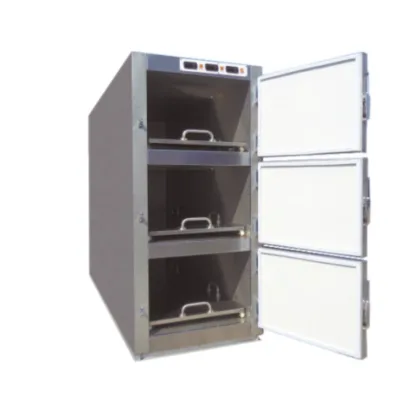


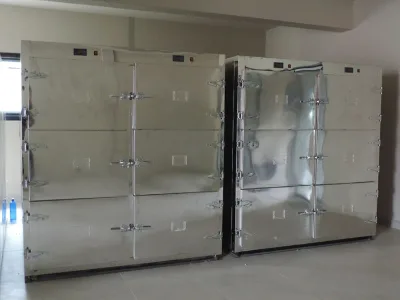
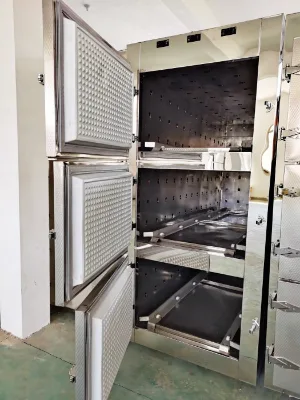


Comprehensive Sourcing Guide
CE ISO Mortuary Body Cooler Sourcing Guide
Procuring a CE ISO mortuary body cooler requires distinguishing between general refrigeration units and specialized cryobiology devices designed for post-mortem preservation. The observed market data indicates a product range spanning from single-room units to large-scale nine-room configurations, with specific model numbers like Stg4-C and Stg9 defining the physical footprint. Buyers must recognize that while some listings describe "Medical Cryostat" attributes, others explicitly label the equipment as "Mortuary Refrigerator," necessitating a clear definition of the intended application before initiating contact.
The commercial landscape for these units presents a significant price variance, with observed listings ranging from $350 to over $35,000, reflecting differences in capacity, insulation thickness, and customization options. A critical decision point involves the trade-off between standard non-customized models and those offering OEM capabilities or specific material upgrades like 304 stainless steel. Procurement teams should prioritize understanding the specific temperature ranges, such as the -16 to 5 degrees Celsius or 5 to 10 degrees Celsius options, to ensure the selected unit aligns with the required storage duration and biological preservation standards.
Product Scope and Observed Listing Signals
Buyers must carefully evaluate the physical dimensions and room capacity to ensure the unit fits the intended facility layout, as package dimensions vary significantly between models. For instance, the Stg1 model features a compact package dimension of 2650940780mm, whereas the Stg9 unit requires a much larger footprint of 248022002200mm. This variance directly impacts shipping logistics and installation planning, requiring facilities to verify internal door widths and ceiling heights before finalizing a purchase order to avoid costly delivery failures.
Another critical signal in the product scope is the distinction between vertical and horizontal configurations, alongside the availability of customization features. While some listings specify a "Vertical" shape and "Medium" scale, others indicate "Large" scale with "Customized" attributes, suggesting that the standard catalog may not cover all operational needs. Buyers should verify if the "Over-Temperature Alarm" function is standard across all models or if it is an optional upgrade, as this safety feature is essential for maintaining the integrity of stored biological materials during transport or long-term storage.
Technical Specifications to Verify
The structural integrity of the cooler is defined by specific tray and body thicknesses, which vary by model and directly influence thermal efficiency and durability. The Stg4-C model, for example, specifies a body tray thickness of 1.2mm on the outside and 0.6mm on the inside, while the tray size is standardized at 1940*610mm for certain configurations. Procurement teams must verify these exact measurements against the weight of the intended load, as the gross weight of units can reach 550kgs, requiring robust flooring and handling equipment to prevent structural failure during installation.
Temperature control capabilities represent another vital technical specification that must be validated against the specific preservation requirements of the facility. The observed data shows units capable of maintaining temperatures between -16 to 5 degrees Celsius, while other models are rated for 5 to 10 degrees Celsius, indicating different applications for short-term transport versus long-term storage. Buyers should confirm the accuracy of the digital controls and the reliability of the alarm systems, ensuring that the device can maintain a consistent environment without fluctuation that could compromise the quality of the stored contents.
Compliance and Safety Documentation
Verifying the presence of CE and ISO certifications is a non-negotiable step for any procurement of medical or mortuary equipment intended for international trade. The supplied facts confirm that many units carry both CE and ISO certificates, which are essential for regulatory compliance in various jurisdictions. However, buyers must request the specific certificate documents for the exact model number being purchased, as certification status can vary between different production batches or model revisions, and a generic claim does not guarantee the specific unit meets current safety standards.
Safety documentation must also include detailed information regarding the over-temperature alarm functionality and the specific medical device regulatory type. The data indicates that these units are classified under specific regulatory types with alarm functions, which is critical for liability management and operational safety. Procurement teams should ensure that the supplier provides a comprehensive user manual that details the alarm triggers, reset procedures, and emergency protocols, as these documents are often required for insurance audits and regulatory inspections in mortuary and medical facilities.
Cost Drivers and Commercial Terms
The final cost of a mortuary body cooler is heavily influenced by the customization level, material choices, and the complexity of the packaging requirements. While some units are available as non-customized standard packages, others offer OEM options and optional 304 stainless steel construction, which significantly increases the base price. Buyers should analyze the total cost of ownership, including the potential for higher energy consumption in larger units with more rooms, and compare this against the initial purchase price to determine the most economical solution for their specific volume needs.
Commercial terms regarding delivery and payment are equally critical, as lead times and shipping methods can vary based on the order volume and destination. The observed delivery window ranges from 5 to 12 days, but this may be extended for customized orders or large-scale units requiring wooden packaging. Buyers must clarify whether the quoted price includes sea shipment and standard packing or if additional costs apply for specialized handling, ensuring that the total landed cost is accurately calculated before committing to a purchase agreement.
Supplier Qualification and Quality Control
Evaluating the supplier's ability to provide consistent quality control is essential, particularly given the variation in product attributes like scale and customization. The market data shows a mix of medium and large-scale production capabilities, with some suppliers offering "Acceptable" OEM services while others focus on standard non-customized units. Buyers should request evidence of the supplier's manufacturing process, including quality assurance protocols for welding, insulation, and refrigeration system integration, to ensure that the final product meets the specified technical standards.
Quality control also extends to the packaging and shipping process, as the units are often transported over long distances via sea freight. The observed data confirms that wooden packaging is standard for these units, which provides necessary protection during transit. However, buyers must verify that the packaging dimensions align with the product standards and that the supplier has a track record of delivering units without damage. Requesting photos of previous shipments or references from other international clients can provide valuable insight into the supplier's reliability and attention to detail.
Long-Term Procurement Checks
Establishing a long-term relationship with a supplier requires a clear understanding of the after-sales support and maintenance services provided for the mortuary body cooler. Buyers should inquire about the availability of spare parts, such as compressors or control boards, and the expected lead time for replacements, as downtime can be critical in mortuary operations. The observed delivery times of 5 to 12 days for new units suggest that the supply chain is relatively efficient, but buyers must confirm if this applies to spare parts as well to ensure minimal disruption to operations.
Finally, buyers must plan for the lifecycle management of the equipment, including regular maintenance schedules and potential upgrades. The specific temperature ranges and alarm functions observed in the product data suggest that these units require periodic calibration and inspection to maintain compliance and performance. Procurement teams should negotiate service level agreements that include annual maintenance checks and training for facility staff, ensuring that the equipment continues to operate safely and efficiently throughout its intended lifespan.
FAQs
What certifications do these mortuary refrigerators have?
These units hold CE and ISO certifications, ensuring compliance with international safety and quality standards for medical and mortuary equipment. This dual certification confirms that the manufacturing processes and final products meet rigorous regulatory requirements for reliability and operational safety in professional environments.
Can the temperature be adjusted for different storage needs?
Yes, the temperature is adjustable, typically ranging from -16 to 5 degrees Celsius for specific models. This flexibility allows users to store various types of biological samples or bodies at optimal conditions, ensuring preservation integrity while accommodating different operational requirements in mortuary settings.
What is the typical delivery time for these units?
The standard delivery time is between 5 and 12 days after order confirmation. This relatively short lead time facilitates rapid deployment for facilities needing immediate upgrades or replacements, ensuring minimal disruption to daily mortuary operations and maintaining consistent service levels for clients.
Are these mortuary coolers available in customized configurations?
Customization is available for many models, allowing buyers to specify dimensions or internal layouts. OEM acceptance further supports tailored solutions, enabling facilities to integrate specific features that match their existing infrastructure or unique operational workflows, ensuring the equipment fits seamlessly into their designated spaces.
What safety features are included in these cooling devices?
These devices include an over-temperature alarm function to alert staff immediately if internal temperatures deviate from set parameters. This critical safety feature helps prevent sample degradation or body preservation issues by providing early warnings, allowing for prompt corrective action and maintaining strict environmental controls.
How many body trays can these units accommodate?
Capacity varies by model, with options ranging from single-room units to larger configurations with up to nine rooms. This scalability allows facilities to select units that match their volume requirements, ensuring efficient use of space while providing adequate storage capacity for varying daily operational demands.